
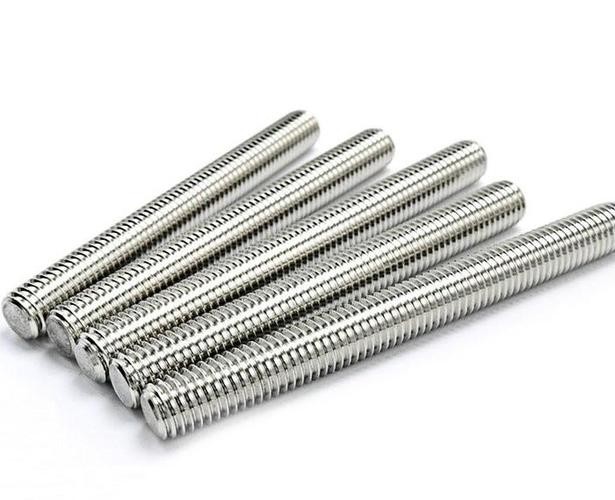
Ball Screw
- MaterialCarbon steel, grade 8.8
- FinishZinc plated (blue-white)
- StandardDIN 933
- ThreadM12 x 1.75 mm, full thread
- Pack size100 pcs
Ball Screw
Lead screw is the most commonly used transmission element in machine tools and precision machinery. Its main function is to convert rotary motion into linear motion, or convert torque into reciprocating axial force. It features high precision, reversibility and high efficiency. Thanks to low frictional resistance, ball screws are widely adopted in various industrial equipment and precision instruments.
Applications:
A ball screw assembly consists of screw shaft, nut, steel balls, preload pieces, reversers and dust seals. It converts rotary motion into linear motion. It is an advanced evolution of the Acme screw. The key advancement is transforming bearing motion from sliding friction into rolling friction.
To suit diverse application scenarios, ball screw bearings are available in a wide range of standardized types. They are widely used for machine tools. Ball circulation types include tube circulation, internal deflector and end-cap circulation. Preload methods comprise positional preload (double-nut type and offset preload) and constant-pressure preload.
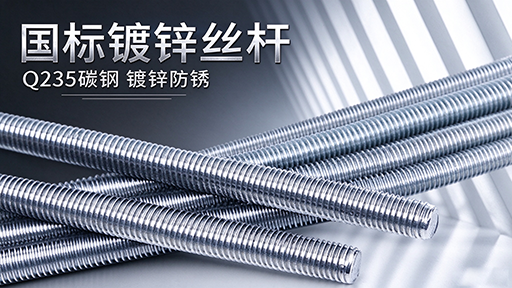
| Material | Carbon steel, grade 8.8 |
|---|---|
| Finish | Zinc plated (blue-white) |
| Standard | DIN 933 |
| Thread | M12 x 1.75 mm, full thread |
| Length | 80 mm |
| Head type | Hexagon head |
| Head size | 19 mm across flats |
| Tensile strength | 800 N/mm² |
| Corrosion resistance | Up to 480 h salt spray |
| Temperature range | -40 °C to +120 °C |
| Pack size | 100 pcs |
| Article number | FB-12080 |
Fast, tracked delivery
Stock items ordered before 15:00 local time are dispatched the same working day. Standard ground delivery reaches most US addresses in one to three working days, and every parcel is tracked from our Columbus warehouse to your door.
- Free standard shipping on orders over $199
- Same-day dispatch on in-stock items before 15:00
- 30-day returns on unopened stock items
- Bulk and pallet quantities shipped on one invoice